01
Coding systems evolve over time
Biobanks register specimens using the classifications, code systems and controlled terminologies that were valid when each sample was stored — often spanning LOINC, SNOMED CT, ICD and national releases.
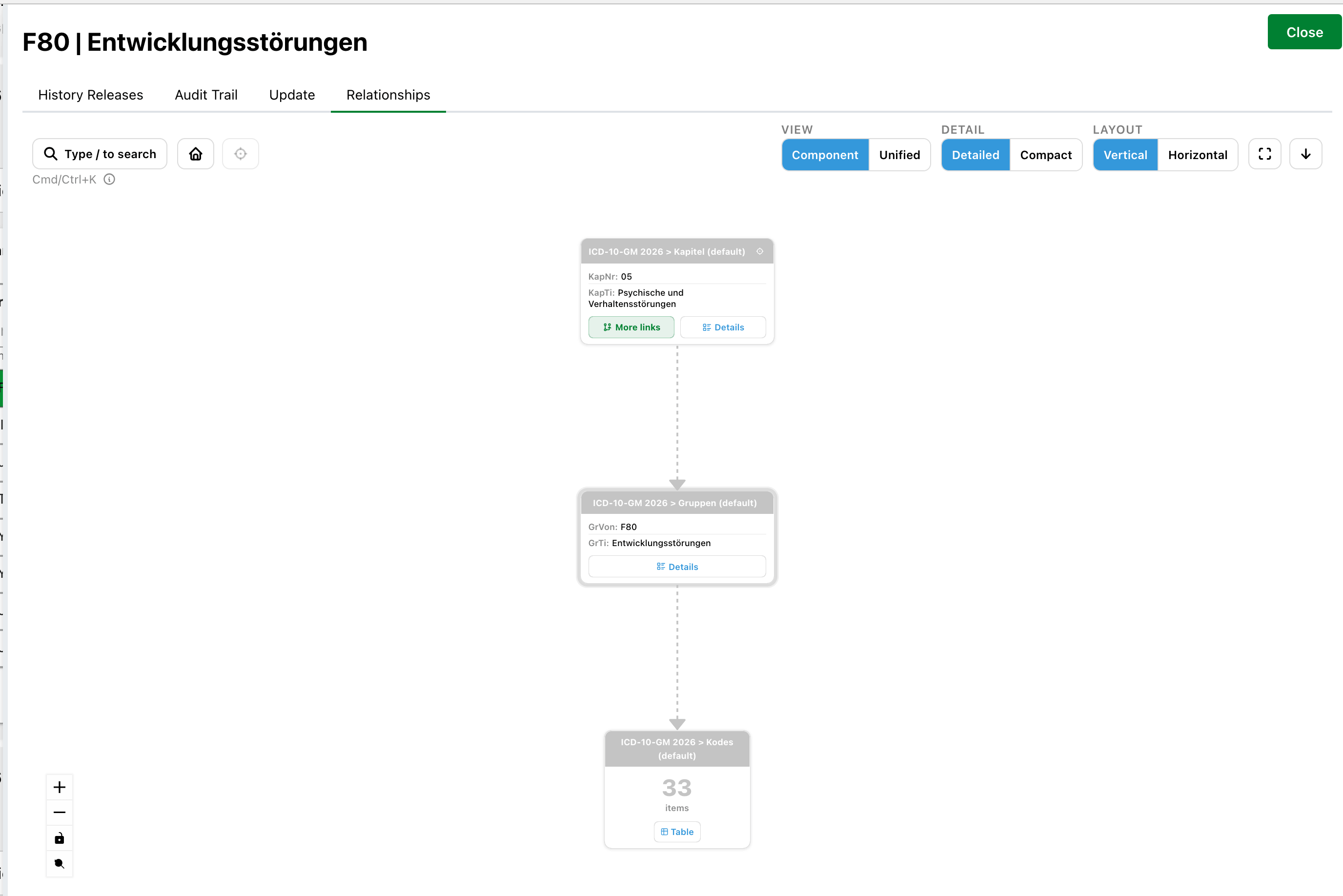
( Biobanking )
Keep specimen metadata aligned as coding systems, terminologies and clinical classifications evolve.
( How standards flow )
01
Biobanks register specimens using the classifications, code systems and controlled terminologies that were valid when each sample was stored — often spanning LOINC, SNOMED CT, ICD and national releases.
02
When specimens are collected on different dates, their associated metadata likely encodes values from different standard versions — creating semantic drift across the collection.
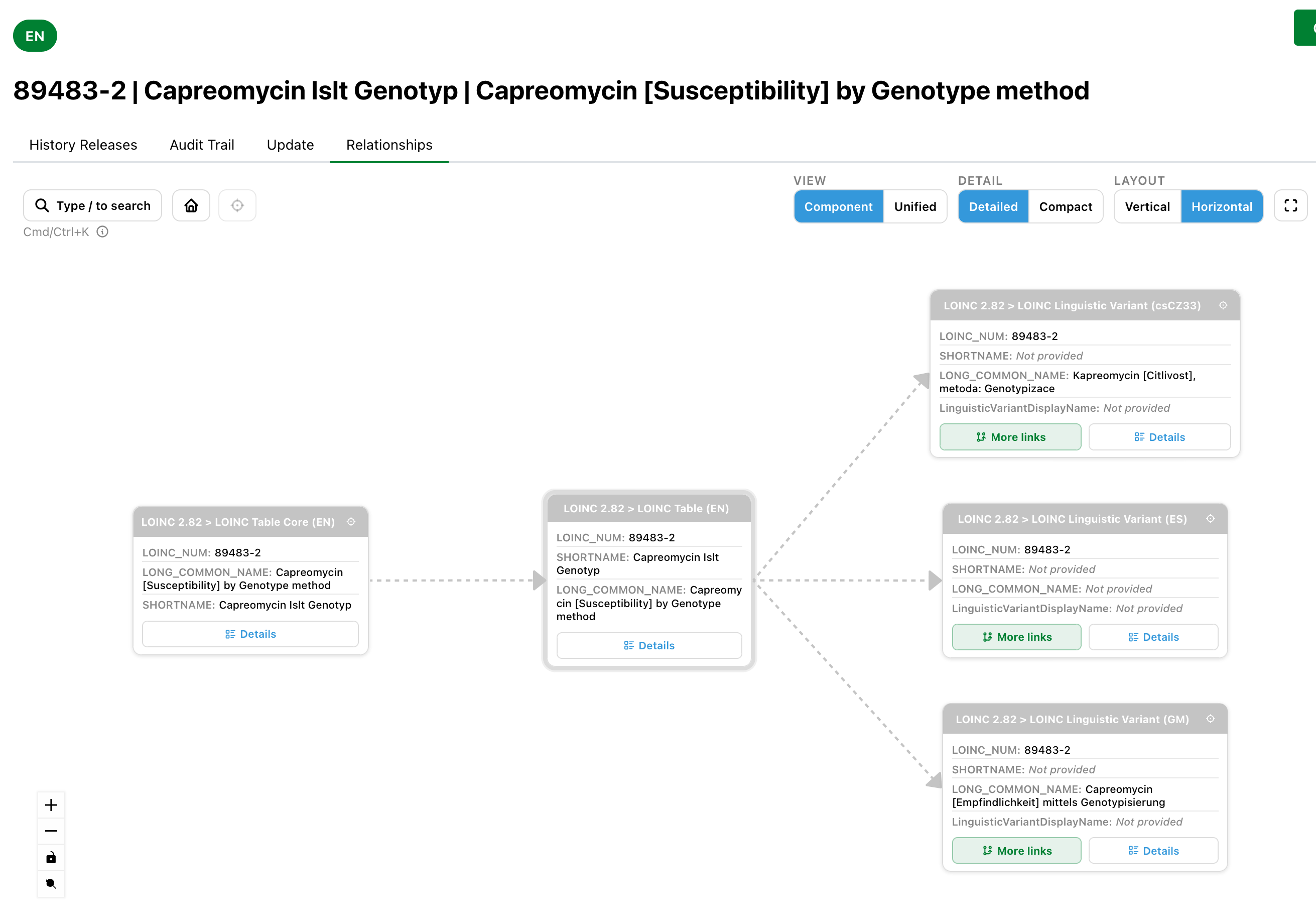
03
When code systems and terminologies are managed centrally, biobanks can update specimen metadata to current releases — supporting interoperability and FAIR-oriented metadata practices.
Specimens are stored today, but reused years later under newer standards. Metadata encoded at collection time may no longer align with current coding systems — making search, pooling and reuse harder than it should be.
Better discoverability, interoperability, provenance and reuse of specimen-associated metadata — with traceability as standards evolve.
Adapted from: Through the effective implementation of standards in the data acquisition, coding and management process, the quality and thereby confidence in data integrity is improved. Furthermore, standardization enables…
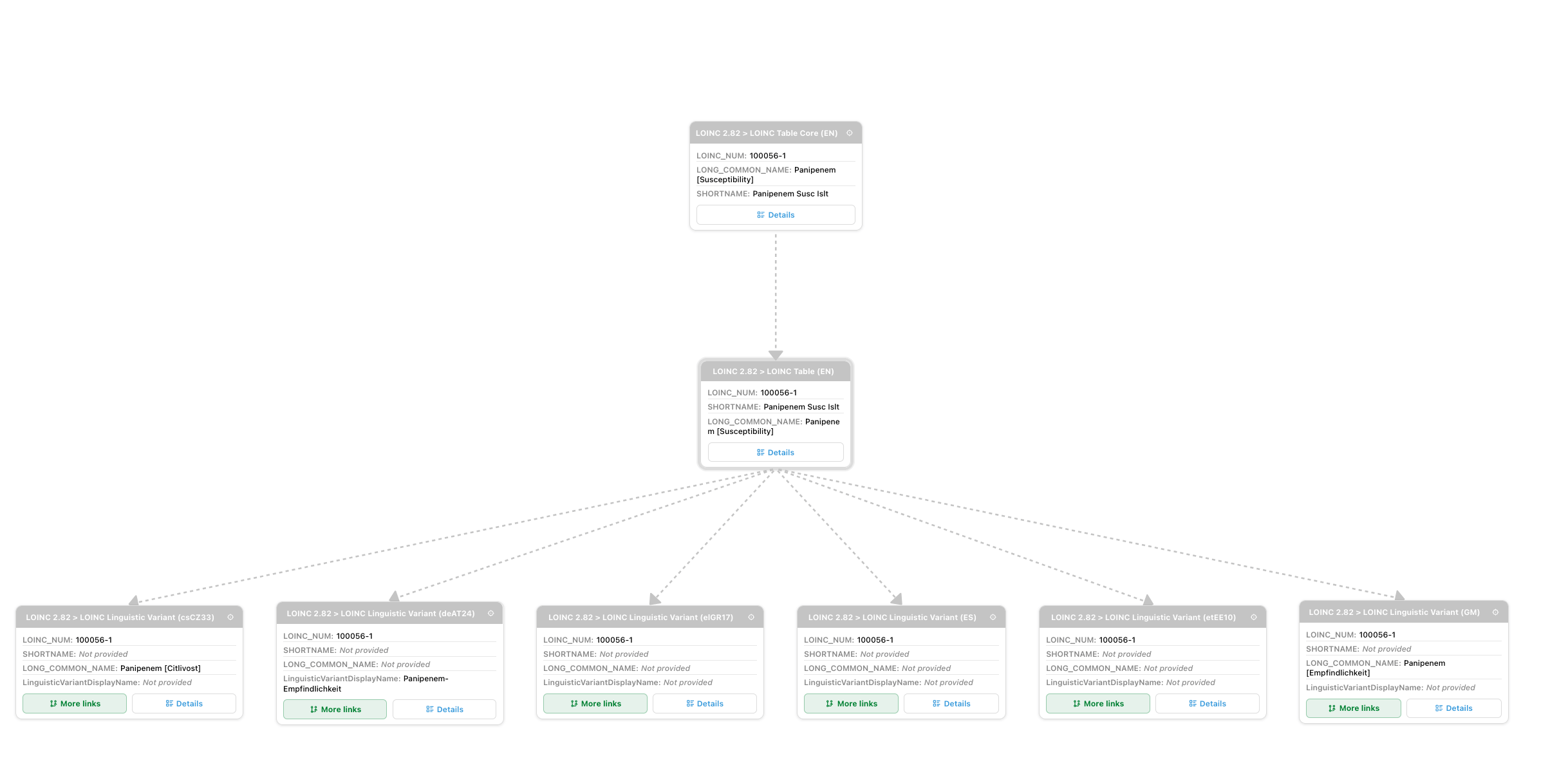
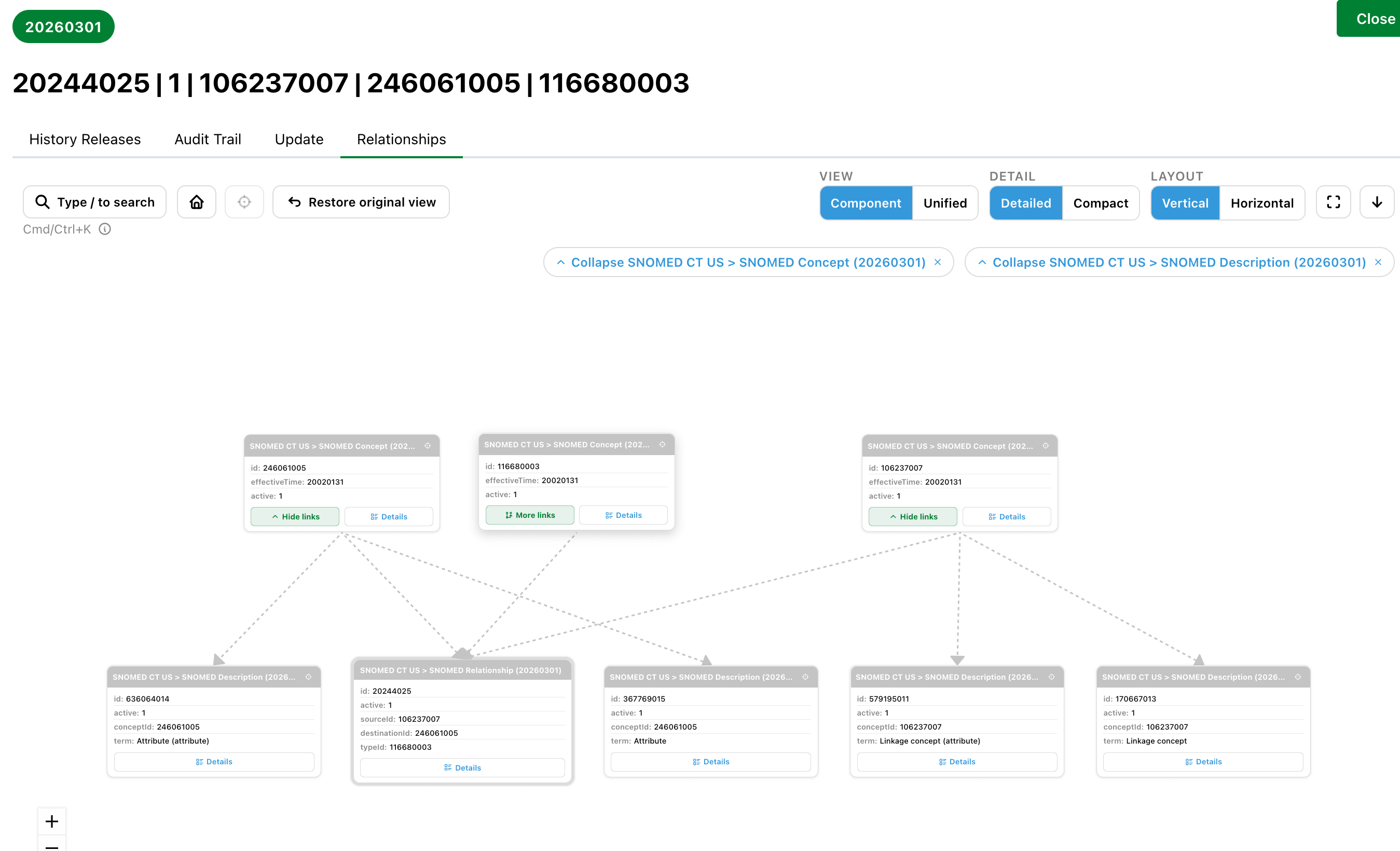
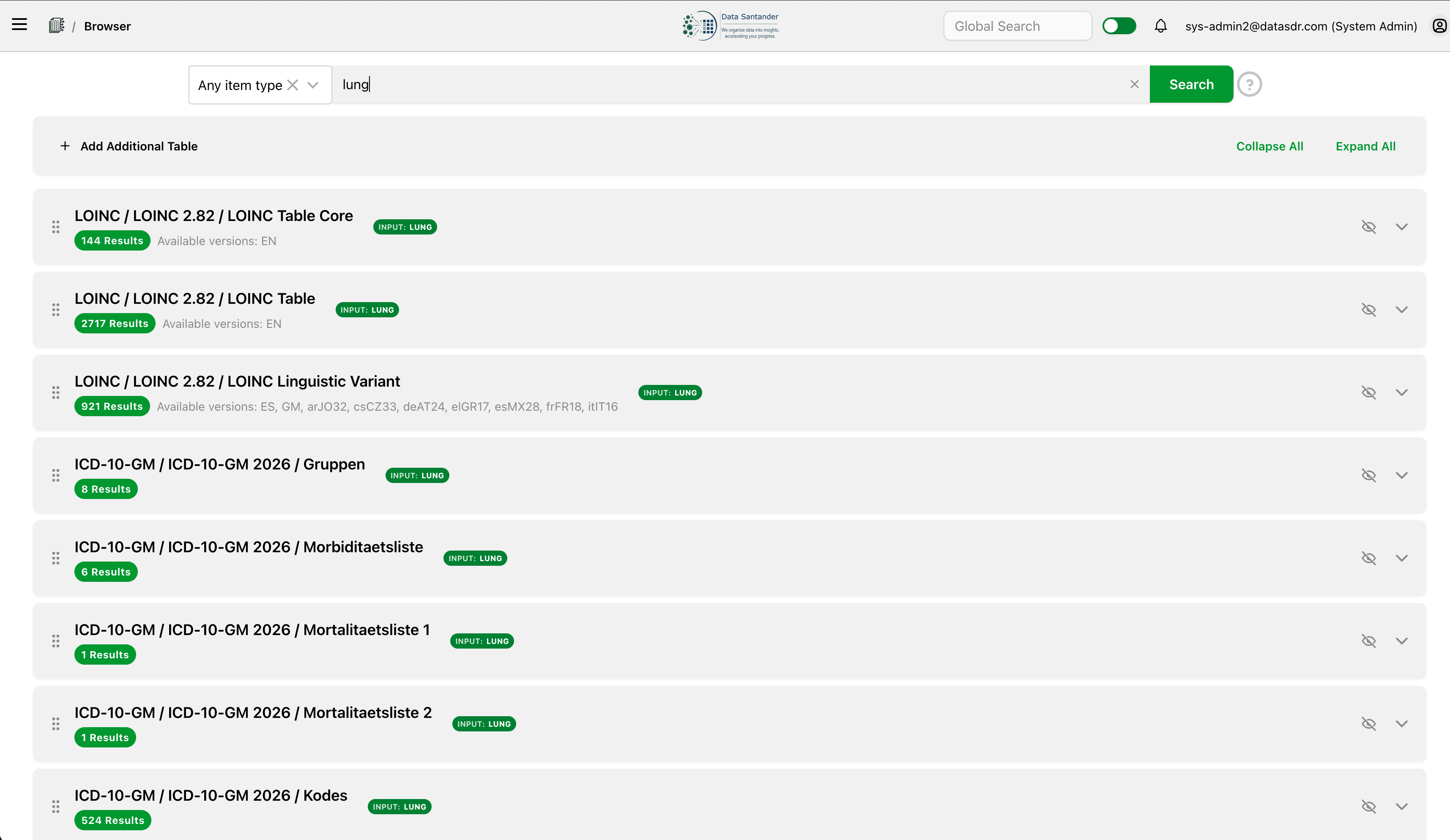
DataSDR supports multi-language version control across LOINC and SNOMED CT, helping biobanks with international networks maintain semantic interoperability. The screenshots below use the English edition.
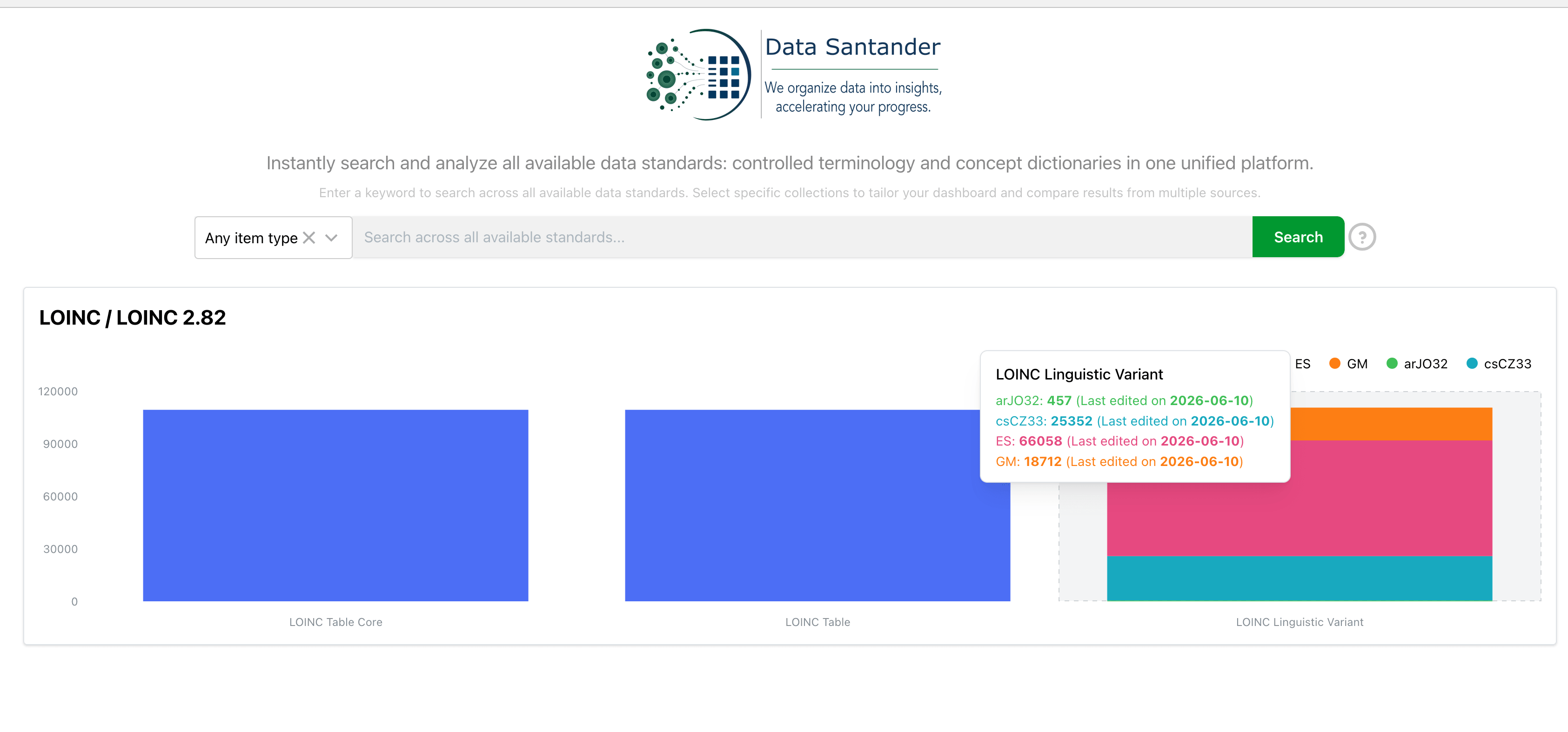
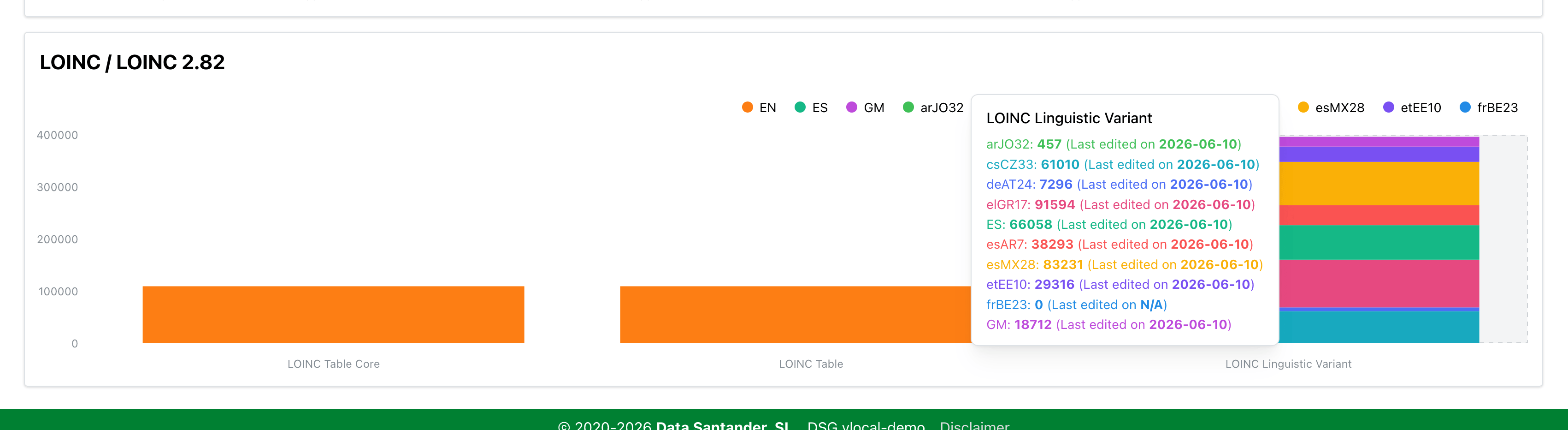
Biobanks depend on high-quality biological material and associated data. DataSDR focuses on the metadata layer: terminology versioning, provenance, mappings, auditability and reuse.
FAIR principles — Findable, Accessible, Interoperable and Reusable — provide a useful orientation for metadata design. DataSDR is designed to support those goals without claiming ISO 20387 or FAIR certification on your behalf.
Please contact us if your organization has a data management challenge you need assistance with.